Designing a small bathroom presents clear challenges, but with a strategic approach you can maximize every square inch without sacrificing comfort or style. This article delivers small bathroom ideas grounded in expertise, tested methods, and practical reasoning to help homeowners, designers, and renovators achieve a polished result. From layout and storage to lighting and fixtures, the guidance here emphasizes durability, accessibility, and a timeless aesthetic that remains relevant for years. If you’re aiming for a space that feels larger, brighter, and more functional, you’ll find proven benchmarks you can trust.
Smart layouts for small spaces
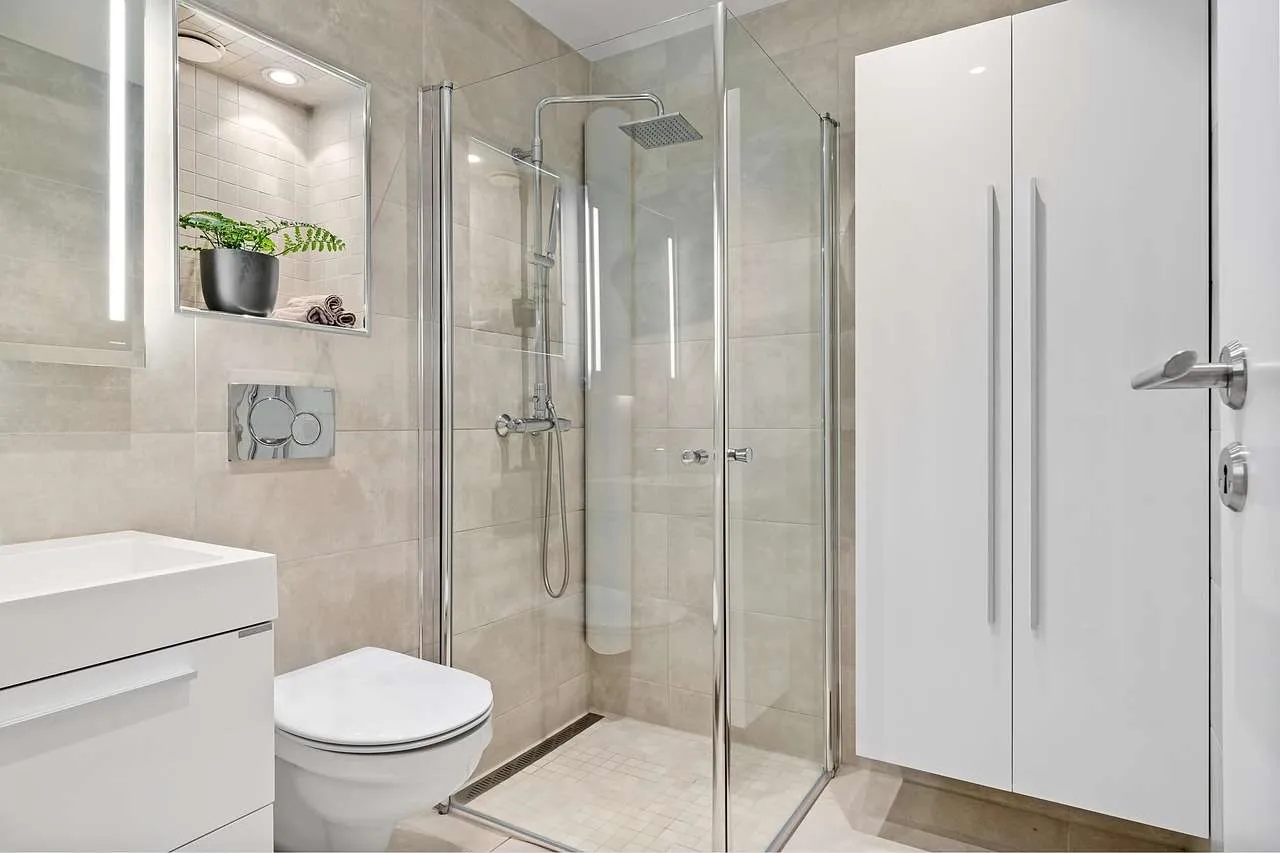
First, focus on a layout that minimizes wasted space and creates clear, open sightlines. A well-planned footprint reduces congestion and makes daily routines smoother. Consider a walk-in shower with a glass panel in place of a bulky tub-shower combo, or a corner shower to liberate wall space for storage. If a tub is essential, opt for a compact alcove tub paired with a curtained or glass boundary to visually extend the room while preserving practicality. In all cases, keep door swings and plumbing lines efficient to avoid cramped moments at the sink or shower.
Layout strategies that pay off
- Use vertical stacking for fixtures: a wall-hung vanity above a compact toilet creates an airy feel and easier cleaning.
- Place mirrors and lighting to reflect light and extend perceived depth.
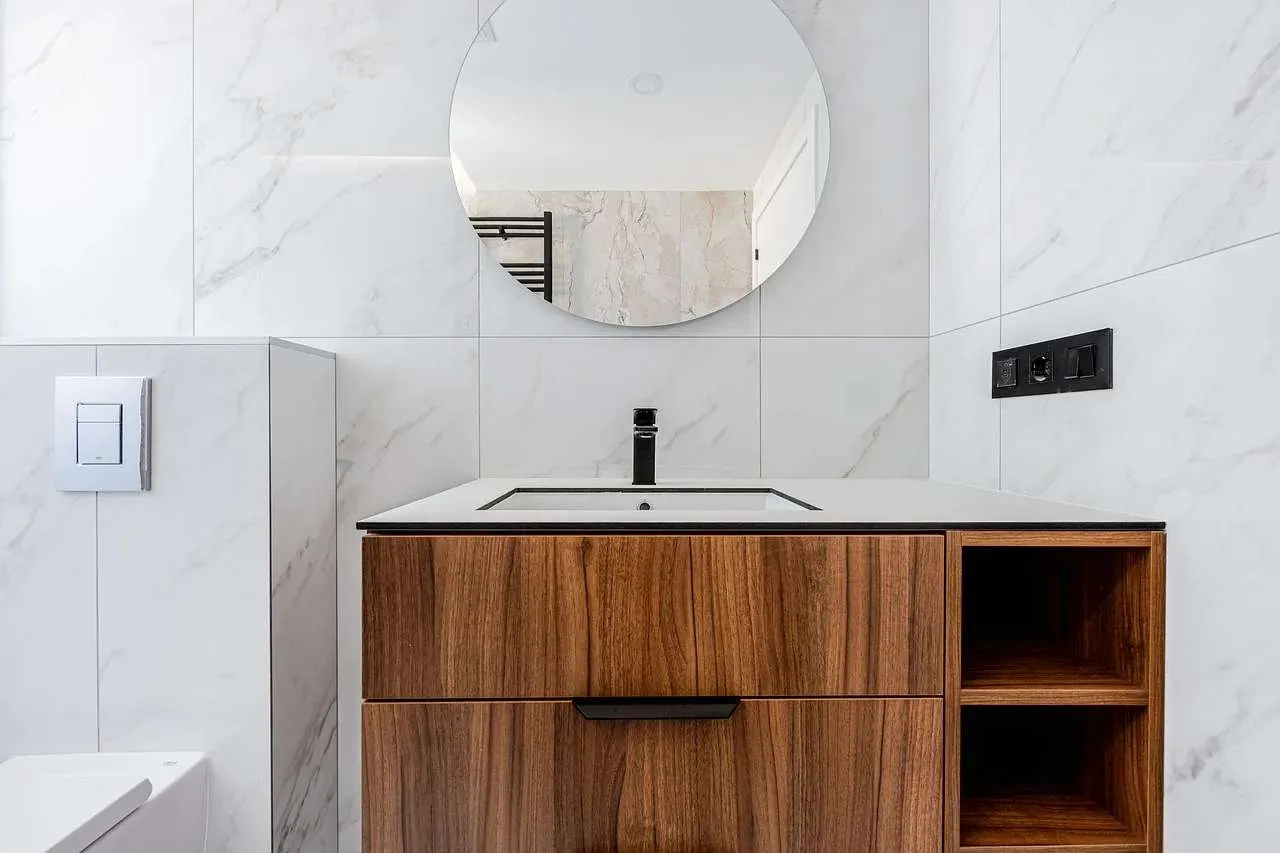
- Choose a single focal point, such as a large mirror above a minimal sink, to reduce visual clutter.
Storage ideas that really work
In small bathrooms, storage is not a luxury—it's a necessity. The goal is to keep essentials out of sight while maintaining quick access to the items you use daily. Built-in niches in the shower, recessed medicine cabinets, and floating vanities provide depth without crowding the floor. Vertical storage, such as tall slim cabinets or open shelving above the door, makes use of dead space that often goes unused. Consider multi-functional furnishings, like a vanity with integrated electrical outlets, towel bars built into panels, or a mirrored cabinet with internal dividers to keep small items organized.
Practical storage ideas
- Recessed niches in the shower curb for shampoo and soap.
- A shallow cabinet above the toilet for toiletries and cleaning supplies.
- Floating vanity with a single-under sink drawer to reduce visual weight.
- Door-mounted organizers or slim pantry shelves for towels and accessories.
Color, lighting, and finishes
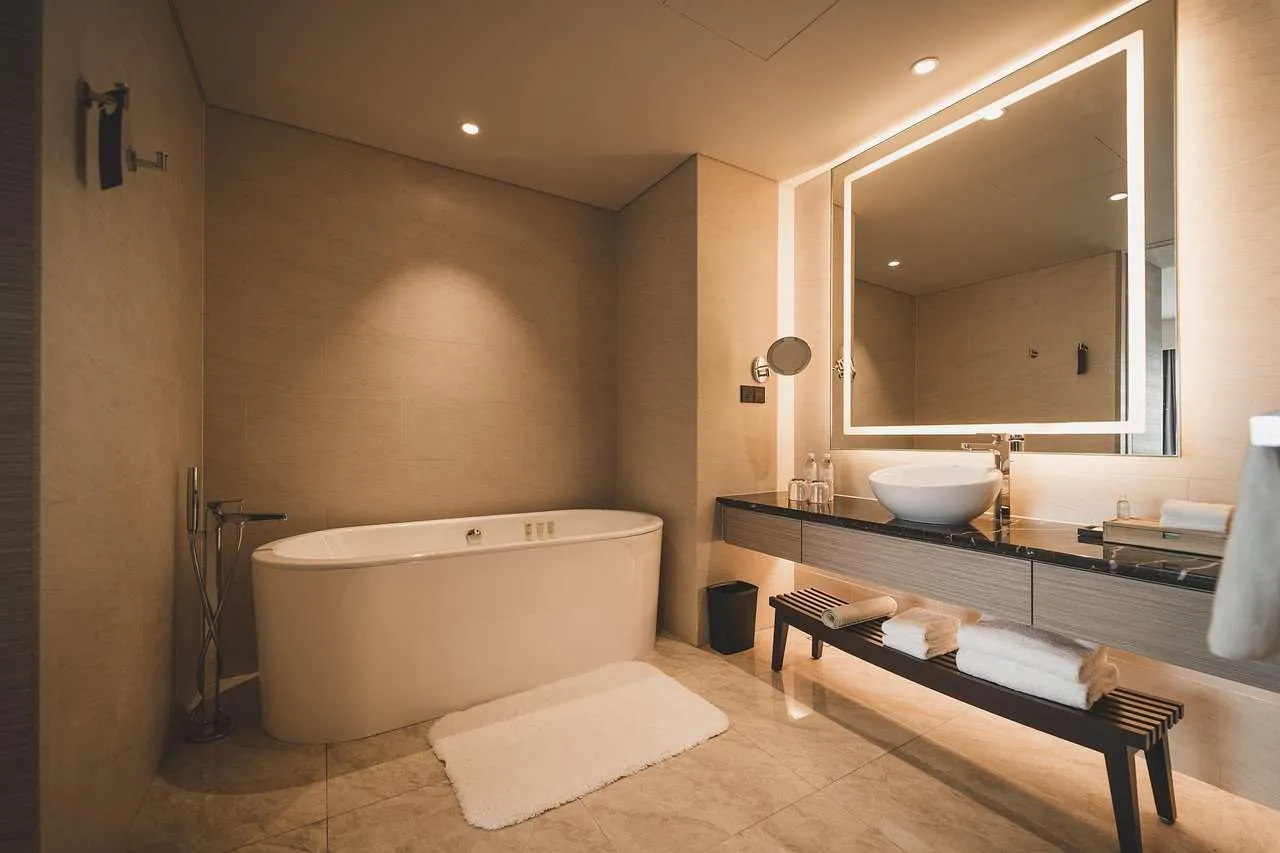
Light colors and reflective surfaces instantly brighten small bathrooms. Whites, soft neutrals, and cool grays work well, especially when paired with glossy tiles, glass, and metallic fixtures. A large mirror or a mirrored cabinet amplifies light and space. Layer lighting with ambient, task, and accent layers: recessed ceiling lights for even coverage, a wall sconce beside the mirror for makeup or shaving, and subtle LED under-cabinet lighting for nighttime use. Heat and moisture-friendly finishes—ceramic, porcelain, and ceramic-backed glass—enhance durability in humid environments.
Fixtures and finishes that fit a compact footprint
Choose compact, efficient fixtures designed for small rooms. A wall-mounted faucet and a pedestal or wall-hung sink reduce clutter and make sweeping, cleaning, and maintenance easier. For toilets, consider a compact, dual-flush model to save water without compromising comfort. In showers, a frameless glass enclosure visually opens the space more than opaque walls, while a pebble or tile floor with a gentle slope helps direct water to the drain and reduces slipping risk.
Materials and maintenance considerations
Durable, low-maintenance materials save time and money over the life of the bathroom. Large-format porcelain floor tiles minimize grout lines, while wall tiles with a matte glaze resist water marks and soap scum. Consider vinyl flooring with a realistic tile pattern for a cost-effective, water-resistant option. Quartz or solid-surface countertops resist moisture and stains, while a sealed grout line and an epoxy-based sealant keep mildew at bay in the shower and around the vanity area.
Comparison: common small-bathroom options
| Option | Pros | Cons | Ideal For |
|---|---|---|---|
| Shower-only with glass panel | Feels more open; easy to clean; great for accessibility | No tub; limited bath space for soaking | People prioritizing space and accessibility |
| Tub/shower alcove with slim profile | Still provides bath option; familiar layout | Less space for storage; visual bulk | Families who want occasional baths |
| Walk-in shower with built-in niche | Efficient storage; streamlined look | Higher upfront cost | Small bathrooms seeking modern feel |
| Floating vanity with vertical storage | Perceived airiness; easy cleaning | Leg clearance needed for accessibility | Design-forward, petite spaces |
Practical tips for budget and maintenance
Budget-conscious choices can still deliver high impact. Start with a neutral palette and invest in a high-quality shower door and vanity, then add personality with accessories like towels, artwork, and a soap niche that can be swapped over time. Plan for durable finishes in high-moisture zones and choose water-efficient fixtures to reduce ongoing costs. If you’re renovating, set aside a contingency for unexpected plumbing or electrical work—small bathrooms can reveal hidden needs once walls come open.
Room-by-room checklist
- Confirm the door swing does not obstruct the sink or vanity.
- Measure clearance: a 30–32 inch wide vanity leaves comfortable space to move.
- Install moisture-resistant lighting and ventilation to prevent mold.
- Use a consistent tile pattern to maintain flow and reduce visual stops.
- Choose fixtures with clean lines to minimize visual clutter.
Conclusion: Thoughtful planning, durable materials, and multi-functional fixtures transform small bathrooms from cramped to comfortable. By balancing layout, storage, color, lighting, and budget, you create a space that looks larger, feels calmer, and performs reliably every day.
Summary: By embracing layout optimization, clever storage, light palettes, and efficient fixtures, small bathroom ideas can transform a compact space into a functional, stylish retreat.