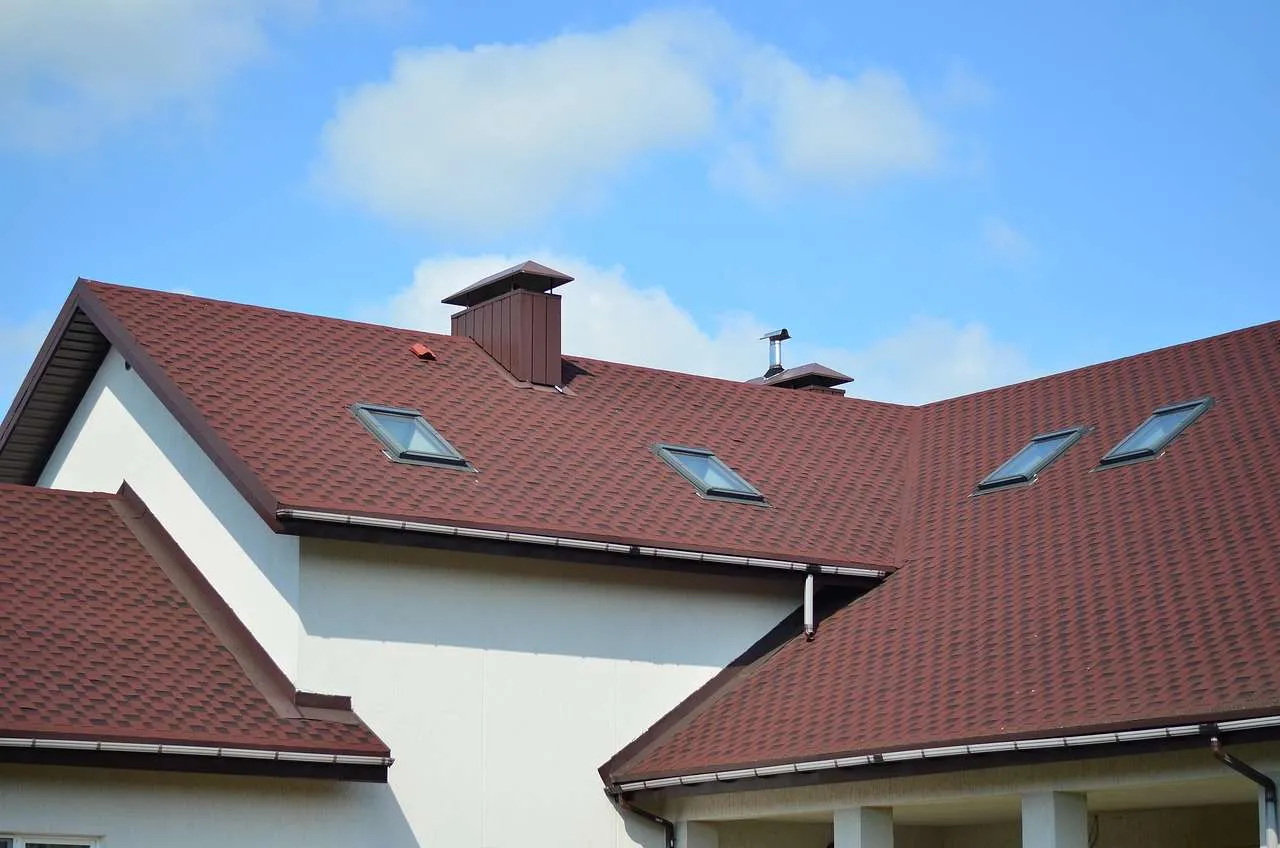
Repair of roofing is a pivotal home maintenance task that protects your home from water intrusion and structural damage. This comprehensive guide explains how to recognize when repair is needed, what options are available, how costs are determined, and how to hire a qualified professional. By focusing on safety, quality materials, and proven procedures, you can achieve durable results and restore your roof’s long‑term performance.
When does repair become necessary? Signs to look for
- Visible leaks on ceilings or walls after rain
- Missing, curled, or cracked shingles
- Shingle granules collected in gutters
- Sagging or soft spots on the roof deck
- Sticky or damp attic insulation, or persistent musty odor
- Damaged flashing around chimneys, vents, or skylights
- Moulting nails or fasteners protruding at roof edge
- Ice damming in cold climates
Common causes and practical repair options
Damage arises from weather exposure, aging materials, improper installation, or ventilation issues. The repair approach depends on the problem’s extent and the roof type. Minor issues such as resealing seams or replacing a handful of shingles can be economical fixes, while extensive penetration around flashing, vent boots, or decking may require more involved repairs or even partial replacement.
DIY vs professional repair: weighing the risk
Some basic tasks, like clearing debris or re‑sealing easily accessible shingles, can be tackled by confident DIYers with proper safety gear. However, roofs present fall hazards, electrical and fire risks, and the potential to worsen damage if not done correctly. In addition, many warranties require professional workmanship for coverage. For leaks, structural issues, or work on complex roof shapes, hiring a licensed contractor is strongly recommended.
The repair process: what to expect from a pro
A reputable roofer begins with a thorough inspection, documentation, and a written estimate. After identifying the source, they will remove damaged material, repair or replace flashing and underlayment as needed, reseal seams, and perform a water test to confirm the fix. The process includes a clear scope of work, material specifications, a timeline, and a plan to protect landscaping and property.
Materials, costs, and maintenance considerations
Costs vary by roof size, material, complexity, and location. Asphalt shingles offer affordability and easy repair, while metal, clay, or slate roofs raise material prices but can reduce long‑term maintenance. Expect higher labor costs on steep pitches or in areas with severe weather. Proactive maintenance—clean gutters, remove debris, trim overhanging branches, and address wind‑ or hail‑related damage promptly—extends roof life and reduces emergency repairs.
Table: comparing repair scenarios
| Scenario | Pros | Cons | Typical Cost |
|---|---|---|---|
| Minor repairs (reseating shingles, small sealants) | Low cost, fast fix | Temporary solution; may recur | 100-300 |
| Leak repair and sealing around flashing | Stops water intrusion | May need follow‑up | 300-1200 |
| Major repair (decking patch, multiple leaks) | Addresses root issues | Higher cost, longer duration | 1000-6000 |
| Professional repair or partial replacement | Warranty, safety, long‑term durability | Higher upfront cost | 1500-12000+ |
Choosing a contractor: EEAT principles in practice
- Verify licensing and insurance for roofing work in your jurisdiction
- Ask for references, case studies, and photos of completed repairs
- Confirm workmanship warranties and product warranties in writing
- Review safety protocols, permits, cleanup, and site protection
- Get a detailed contract covering scope, materials, timeline, and payment terms
Maintenance tips to extend roof life
Schedule regular inspections, ideally twice a year and after major storms. Keep gutters clear, trim overhanging branches, ensure attic ventilation remains adequate, and promptly address signs of damage. A proactive program preserves performance and minimizes costly emergencies.
Summary: This article explained the signs that repair of roofing is needed, described repair options for different damage levels, compared DIY versus professional repair considerations, outlined typical costs and the repair process, and offered guidance on selecting an experienced, insured contractor to ensure safety, quality, and lasting results.