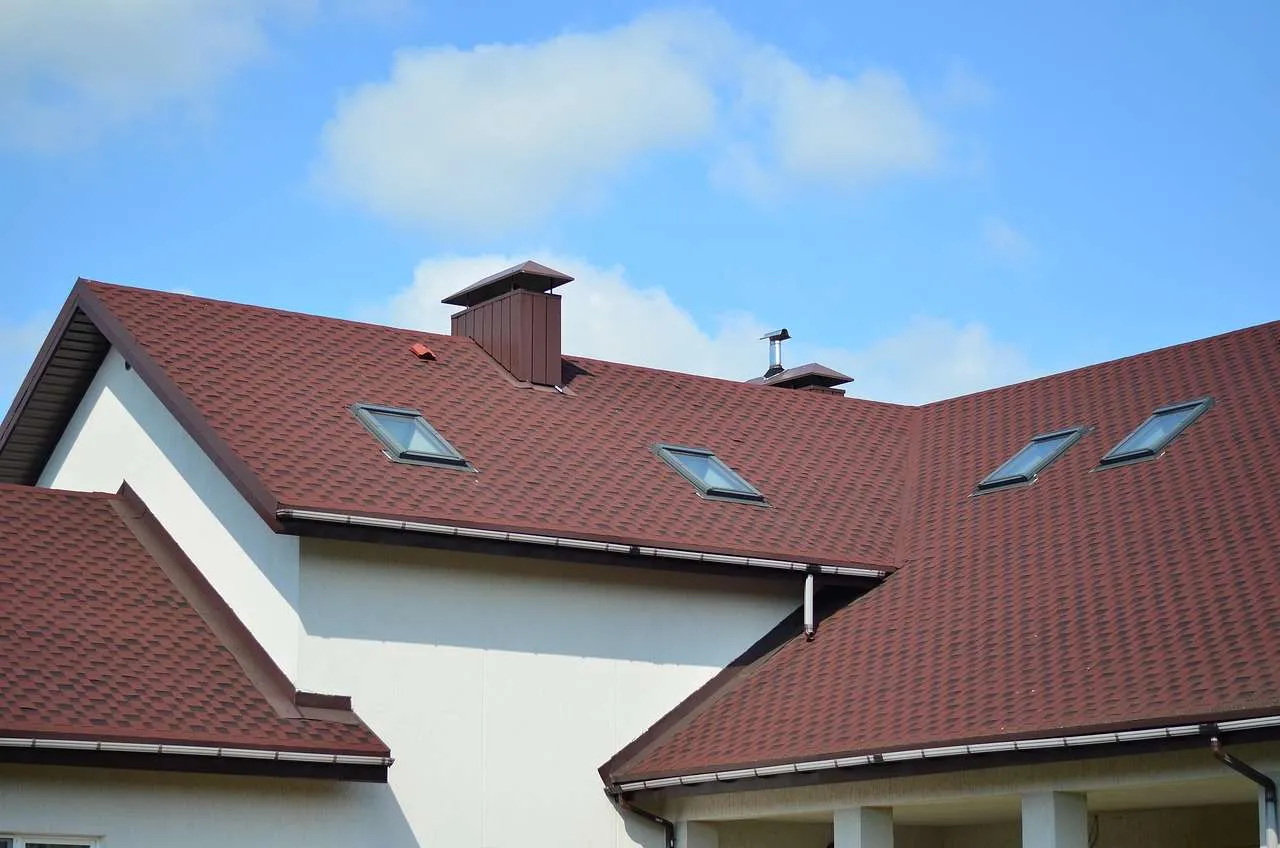
What is Corrugated Metal Roofing?
Corrugated metal roofing has a long history of protecting homes and outbuildings. Made from steel or aluminum, it uses a wavy profile that provides strength with light weight. Modern coatings and alloys improve durability, weather resistance, and energy efficiency, making corrugated metal a versatile choice for many roof styles.
Benefits of Corrugated Metal Roofing
- Durability: Corrugated metal withstands high winds, hail, and heavy rain, with lifespans often 40 to 70 years depending on material and finish.
- Lightweight and Easy Installation: Lighter than many alternatives, it places less stress on the structure and can be installed over existing roofs when suitable.
- Energy Efficiency and Environmental Impact: Light colors and reflective coatings reduce heat gain; metal is highly recyclable at end of life.
Stability and Weather Resistance
Steel and aluminum options resist rot and insects, while coatings protect against corrosion. For coastal or humid climates, aluminum or coated steel with PVDF or polymer finishes offer longer service life.
Maintenance and Longevity
Maintenance is relatively low but important. Periodically inspect fasteners and seals, wash debris, and recoat worn areas to preserve corrosion resistance. Expect thousands of square feet of coverage per panel and years of service depending on climate and care.
Common Materials and Profiles
The main materials are galvanized steel, galvalume steel and aluminum. Galvanized steel is affordable; galvalume blends zinc and aluminum for improved corrosion resistance; aluminum offers excellent weight and corrosion resistance but higher cost.
Coatings and Finishes
Coatings range from simple enamel to PVDF finishes. PVDF finishes provide long lasting color and fade resistance, important for curb appeal in sun exposed areas. Polymer coatings can provide extra protection in coastal or industrial environments.
Profiles
Corrugated metal roofing comes in several profiles including classic corrugated, ribbed panels, and trapezoidal shapes. The choice affects water runoff, fastener spacing, and overall aesthetics. For historic homes, a traditional corrugated profile works well; for modern homes, ribbed or trapezoidal profiles may be preferred.
Cost and Value
Costs vary by material, gauge, coating, and labor. Typical installed ranges are from six to twelve dollars per square foot, with aluminum options often higher. While some upfront costs are higher than asphalt shingles, corrugated metal offers longer life, higher wind resistance, and lower maintenance, contributing to long term value.
Installation Considerations
Key installation factors include an appropriate underlayment, solid roof deck, and proper flashing around penetrations. Always verify local code requirements, wind uplift standards, warranty terms, and drainage considerations with a licensed professional. Professional installation ensures correct fastener spacing, sealing, and slope for efficient water shedding.
Comparison Table
| Roofing Type | Typical Cost per Sq Ft (Installed) | Durability | Weight | Maintenance | Ideal Climates |
|---|---|---|---|---|---|
| Corrugated Metal Roofing | 6 to 12 | 40 to 70 years | Lightweight | Low | Varies |
| Asphalt Shingles | 2 to 4 | 15 to 30 years | Hea vy | Moderate | Wide ranges |
| Standing Seam Metal | 9 to 16 | 40 to 70 years | Heavy | Low | All climates |
| Clay or Concrete Tile | 10 to 15 | 50 to 100 years | Heavy | Moderate | Dry climates |
Conclusion
Corrugated metal roofing offers a compelling blend of longevity, performance, and value for many homes. By choosing the right material, profile, and finish, homeowners can enhance curb appeal, improve energy efficiency, and reduce maintenance over time. Working with a qualified contractor ensures proper installation, weather tightness, and a warranty that supports long term confidence.
Summary: Corrugated metal roofing delivers durability, ease of installation, and environmental benefits, with cost that reflects material choice and labor. Proper selection of material and profile, plus professional installation and regular maintenance, maximizes longevity and value.