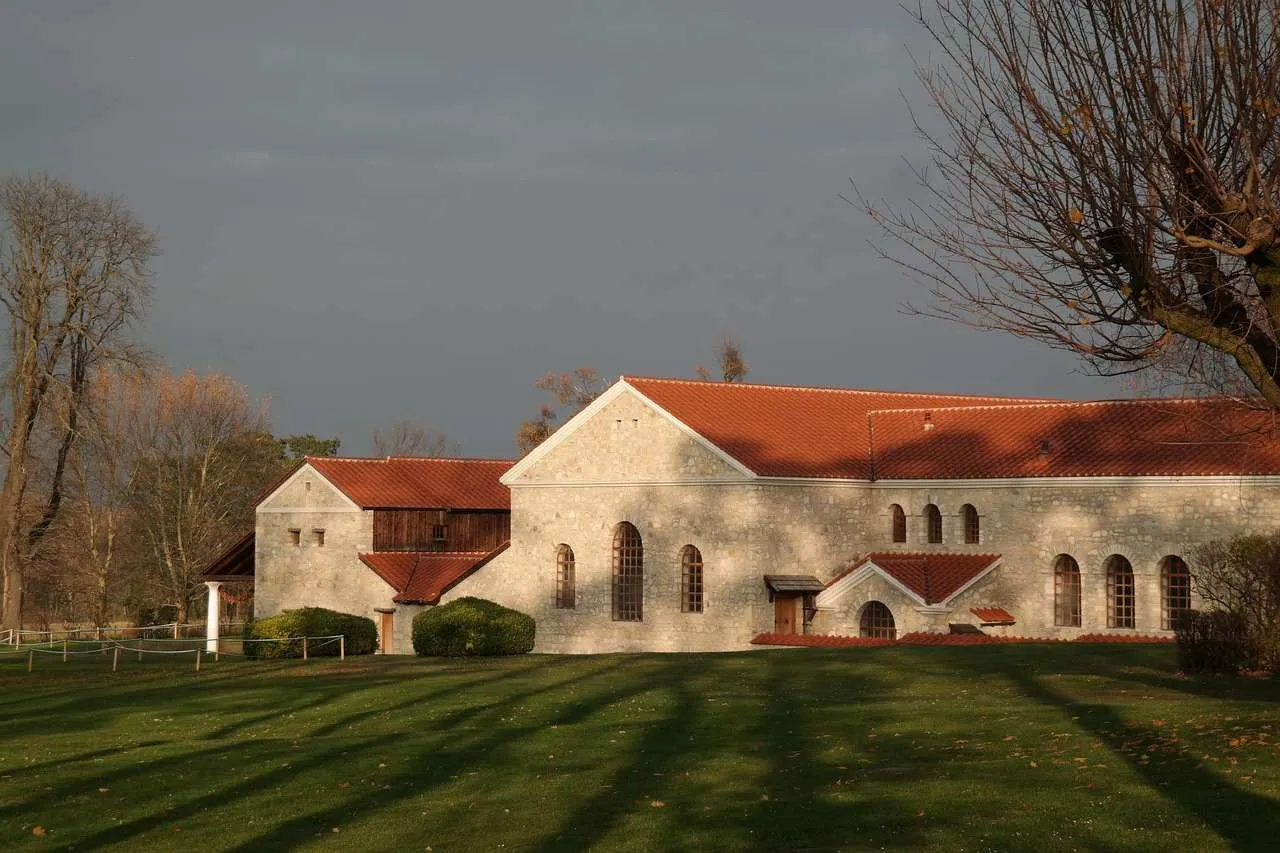
Understanding Roofing and Roof Repairs
Roofing protects homes from water intrusion, wind, and temperature changes. When issues arise, timely roof repairs preserve structural integrity and home value. This guide provides professional insights into roofing and roof repairs, designed to help homeowners make informed decisions while upholding EEAT standards.
Signs Your Roof Needs Repair
- Missing or curling shingles
- Water stains on ceilings or walls
- Granules in gutters
- Light shining through attic rafters
- Sagging sections or daylight reveals
Common Causes of Roof Damage
Weather and storms
Hail, heavy rain, and wind uplift can damage shingles and flashing, creating vulnerable entry points for moisture.
Age and wear
Most roofs last 20-25 years; components degrade over time, increasing repair needs.
Installation and ventilation
Improper installation or poor attic ventilation leads to moisture buildup and rot.
Maintenance neglect
Lack of routine inspections accelerates unseen damage and costly emergencies.
DIY vs Professional Roof Repairs
Some minor maintenance tasks are safe for handy homeowners, but most repairs require training, safety gear, and adherence to codes. Working on a roof without proper fall protection can be dangerous and may void warranties. Hiring a licensed contractor improves safety, ensures proper flashing, and provides warranties.
What to Expect When Hiring a Pro
- Initial inspection from a licensed roofer or inspector.
- Detailed estimate with material options, labor, and timelines.
- Written warranty covering workmanship and materials.
- Adherence to local building codes and safety standards.
- Clear communication about permit needs and project scope.
Cost Considerations and Maintenance Tips
Roof repair costs vary by material, extent of damage, and region. Small repairs may cost a few hundred dollars, while larger issues can reach thousands. Asphalt shingles are typically less expensive than metal or tile. Regular maintenance—clean gutters, inspect after storms, trim overhanging branches—extends roof life and reduces costly emergencies.
Comparison of Repair Options
| Option | When to Use | Pros | Cons | Typical Cost Range |
|---|---|---|---|---|
| Small Patch | Localized leak or damaged area | Low cost, quick fix | Temporary if underlying issues persist | 300-1000 |
| Localized Repair | Cracked shingles, damaged flashing | Effective, preserves existing roof | May reveal more damage later | 500-2500 |
| Partial Replacement | Extensive but not roof-wide failure | Balanced cost and coverage | Requires careful matching | 5000-12000 |
| Full Roof Replacement | Older roof near end of life, widespread damage | Long-term solution, warranties | High upfront cost | 8000-25000 |
Summary: This article covered signs of roof damage, repair options, cost considerations, and when to hire a licensed professional. By prioritizing inspections, using trusted contractors, and performing regular maintenance, homeowners can extend roof life and avoid costly emergencies.